
The commercial property landscape is experiencing its most significant technological transformation in decades. As we move into 2026, property owners and managers who embrace these emerging trends will see dramatic improvements in NOI, tenant satisfaction, and operational efficiency. Those who don't risk falling behind competitors who are already capitalizing on revenue-generating technologies and smart building solutions.
After analyzing market data and working directly with hundreds of property owners, we've identified the key trends that will define success in 2026. This isn't about chasing every new gadget: it's about strategic technology adoption that delivers measurable returns.
AI-Powered Security: From Reactive to Predictive
Traditional security systems are becoming obsolete. The shift toward AI video monitoring represents more than just an upgrade: it's a fundamental change in how properties protect assets and residents. AI-powered surveillance systems can now identify suspicious behavior patterns, recognize unauthorized individuals, and even predict potential security incidents before they occur.
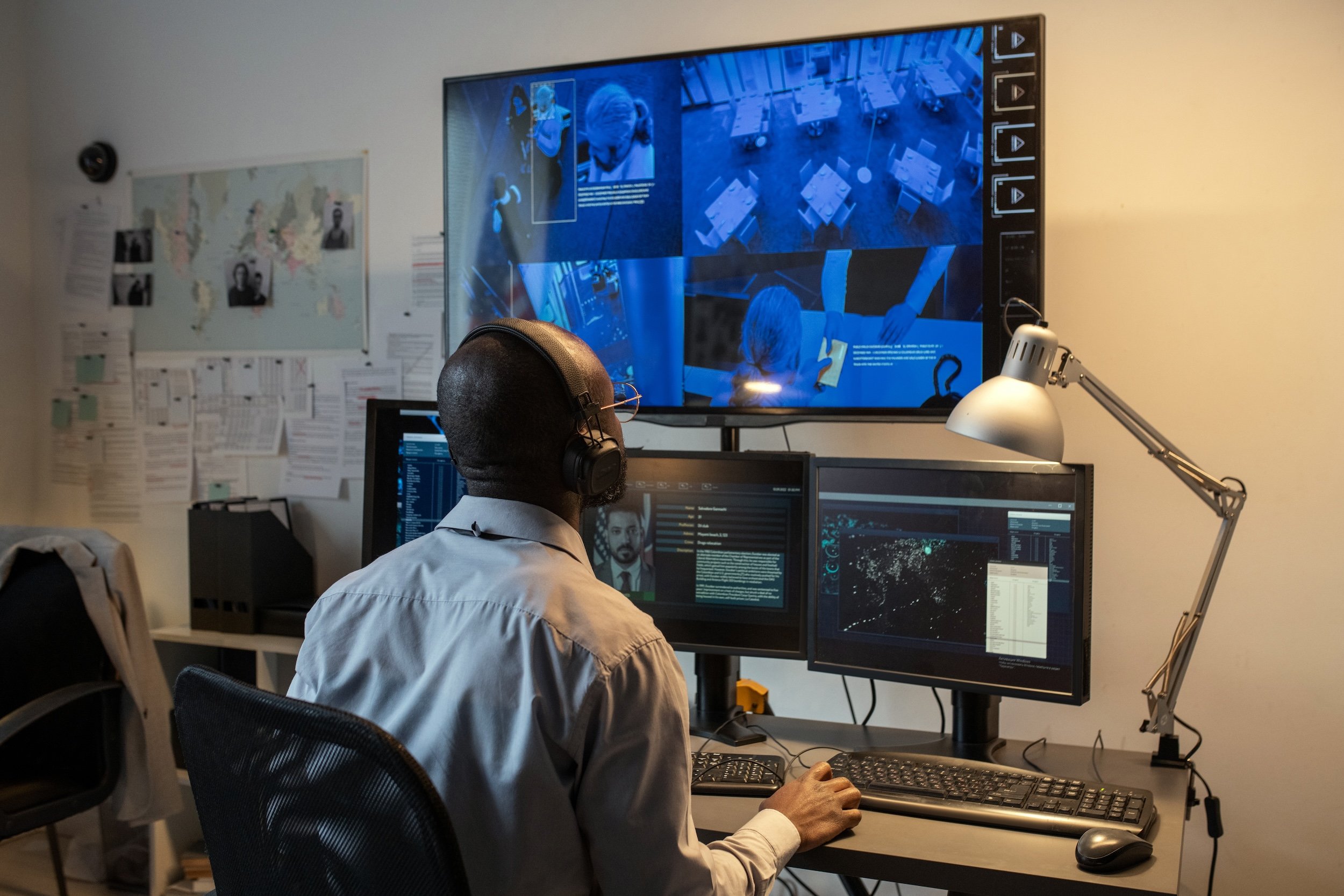
What makes this transformation particularly compelling for property owners is the ROI. AI video monitoring reduces false alarms by up to 95%, dramatically cutting security response costs. More importantly, these systems provide actionable intelligence that helps properties maintain lower insurance premiums and higher tenant retention rates.
The integration capabilities are equally impressive. Modern AI security platforms seamlessly connect with access control systems, fire safety equipment, and building management systems, creating a unified security ecosystem that operates 24/7 without human intervention.
Revenue-Generating Technology: DIRECTV and Connectivity Solutions
Here's where 2026 gets interesting for property owners looking to boost NOI without raising rents. Bundled technology services: particularly DIRECTV, high-speed internet, and phone systems: are creating entirely new revenue streams for savvy property managers.
The revenue-sharing model works like this: properties provide bulk services to residents at competitive rates while earning monthly commissions on every connection. For a 100-unit property, this can translate to $3,000-$8,000 in additional monthly revenue: money that flows directly to the bottom line.
DIRECTV's bulk streaming services eliminate individual satellite installations while providing residents premium entertainment options. Combined with high-speed internet and phone services, properties can offer comprehensive connectivity packages that residents actually want, creating a win-win scenario that improves both tenant satisfaction and property income.
DELLA Smart Property Management: The Geo-Location Game Changer
DELLA represents the next evolution in smart building management, and it's particularly exciting for properties focused on energy efficiency and tenant comfort. This system manages every unit remotely, down to individual HVAC controls based on real-time geo-location data.

Here's how it works: when residents leave their geo-fenced area, DELLA automatically adjusts heating and cooling settings to energy-saving modes. As they return, the system preemptively restores comfortable temperatures. The result? Properties see 20-35% reductions in utility costs while residents enjoy perfectly climate-controlled units.
Beyond energy savings, DELLA provides unprecedented property management capabilities. Maintenance teams can remotely diagnose HVAC issues, adjust settings for vacant units, and even provide climate preferences for prospective tenants during showings. It's property management automation that actually works.
The OPEX Revolution: Why Smart Properties Avoid Capital Expenditures
The most successful property upgrades in 2026 operate on OPEX models rather than requiring massive capital investments. This shift reflects both market realities and improved technology deployment strategies.
Cloud-based systems, subscription services, and managed technology solutions allow properties to implement cutting-edge security, entertainment, and building management systems with minimal upfront costs. Instead of purchasing and maintaining equipment, properties pay monthly fees that include hardware, software, maintenance, and upgrades.
This approach offers several advantages: predictable monthly expenses, always-current technology, professional maintenance included, and the ability to scale services up or down based on property needs. For property owners, it means implementing advanced systems without impacting capital budgets or taking on technology obsolescence risk.
Compliance and Fire Safety: Staying Ahead of Regulatory Changes
Fire safety and compliance requirements continue evolving, with 2026 bringing new regulations that affect everything from alarm systems to emergency communication protocols. Properties that proactively address these changes avoid costly retrofits and potential liability issues.
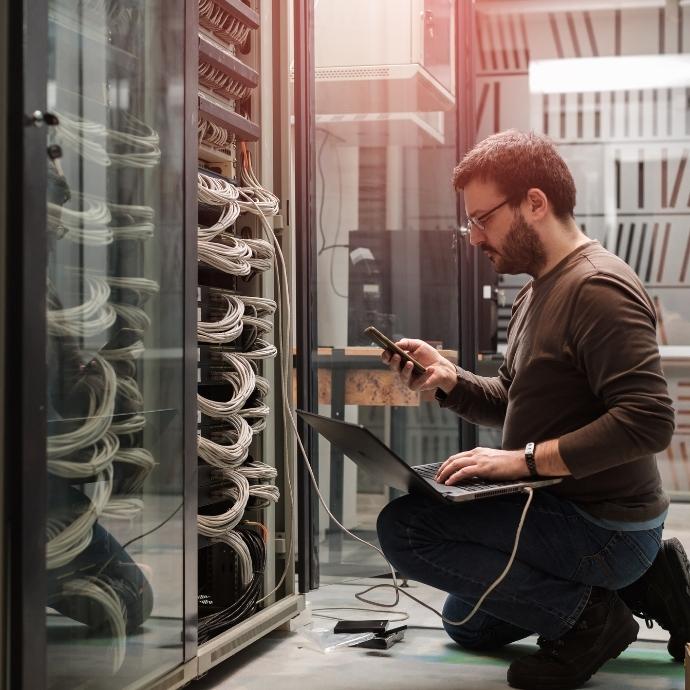
Modern fire safety systems integrate with building security, access control, and communication systems to provide comprehensive emergency response capabilities. When properly implemented, these systems don't just meet compliance requirements: they exceed them while providing operational benefits like remote monitoring, predictive maintenance alerts, and integration with local emergency services.
The key is working with certified providers who understand both current regulations and upcoming changes. Properties that take a reactive approach to compliance often find themselves scrambling to meet deadlines while paying premium prices for rushed installations.
Tenant Experience Technology: Beyond Basic Amenities
Tenant expectations for technology amenities have fundamentally shifted. Basic WiFi and cable TV no longer differentiate properties. Today's tenants expect smart home integration, mobile access control, package management systems, and seamless connectivity across all devices.
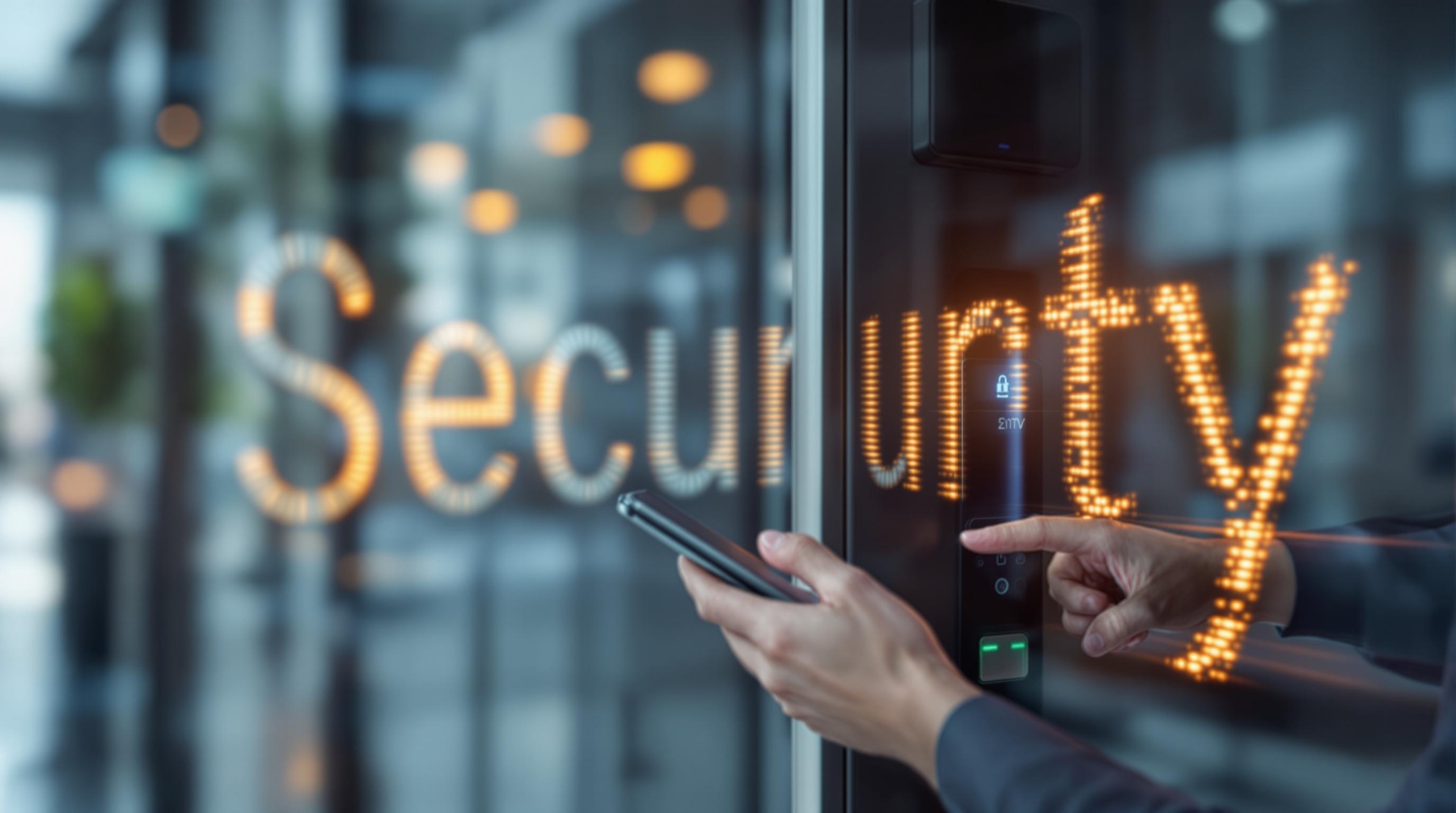
Smart access control systems exemplify this trend. Residents want mobile-based entry that works with their smartphones, guest access capabilities for deliveries and visitors, and integration with popular smart home platforms. These systems don't just improve convenience: they provide properties with valuable data about usage patterns, maintenance needs, and security events.
The Amazon Key integration deserves particular attention. By enabling secure package delivery directly to units, properties solve persistent package theft problems while providing a premium amenity that residents value highly. The system pays for itself through reduced management overhead and improved tenant satisfaction scores.
Integration: The Unified Platform Advantage
The days of managing separate systems for security, access control, building management, and tenant services are ending. Properties that succeed in 2026 will demand unified platforms that integrate multiple functions into seamless, user-friendly interfaces.

This integration provides operational benefits that extend far beyond convenience. When security cameras, access control, HVAC management, and fire safety systems communicate with each other, properties gain comprehensive situational awareness and automated response capabilities that simply aren't possible with standalone systems.
From a management perspective, integrated platforms reduce training requirements, simplify troubleshooting, and provide centralized reporting that helps properties optimize operations and demonstrate value to owners and investors.
Data-Driven Decision Making
Every technology trend in 2026 generates valuable data that smart property managers use to optimize operations and increase profitability. Energy usage patterns, security events, access trends, and maintenance schedules all provide insights that drive better decision-making.
The most successful properties in 2026 won't just collect this data: they'll use it strategically to reduce costs, improve tenant satisfaction, and demonstrate value to stakeholders. Properties that ignore their data advantages will find themselves at a significant competitive disadvantage.
Looking Forward: Strategic Implementation
The technology trends shaping 2026 represent genuine opportunities for properties willing to think strategically about implementation. The key isn't adopting every available technology: it's identifying solutions that deliver measurable returns while improving the fundamental property value proposition.
Properties that focus on revenue-generating technologies, energy-efficient systems, and integrated platforms will find themselves well-positioned for sustained success. Those that continue operating with legacy systems and reactive maintenance approaches will struggle to compete effectively.
The transformation is already underway. Properties implementing these solutions today are seeing immediate improvements in NOI, tenant satisfaction, and operational efficiency. The question isn't whether these trends will define the future: it's whether your property will be ahead of the curve or scrambling to catch up.
Ready to dive deeper into these trends and see specific ROI projections for your property type? Grab the full 2026 Tech & Security Trends Report for Owners for detailed implementation strategies, cost-benefit analyses, and vendor recommendations tailored to your portfolio's needs.

